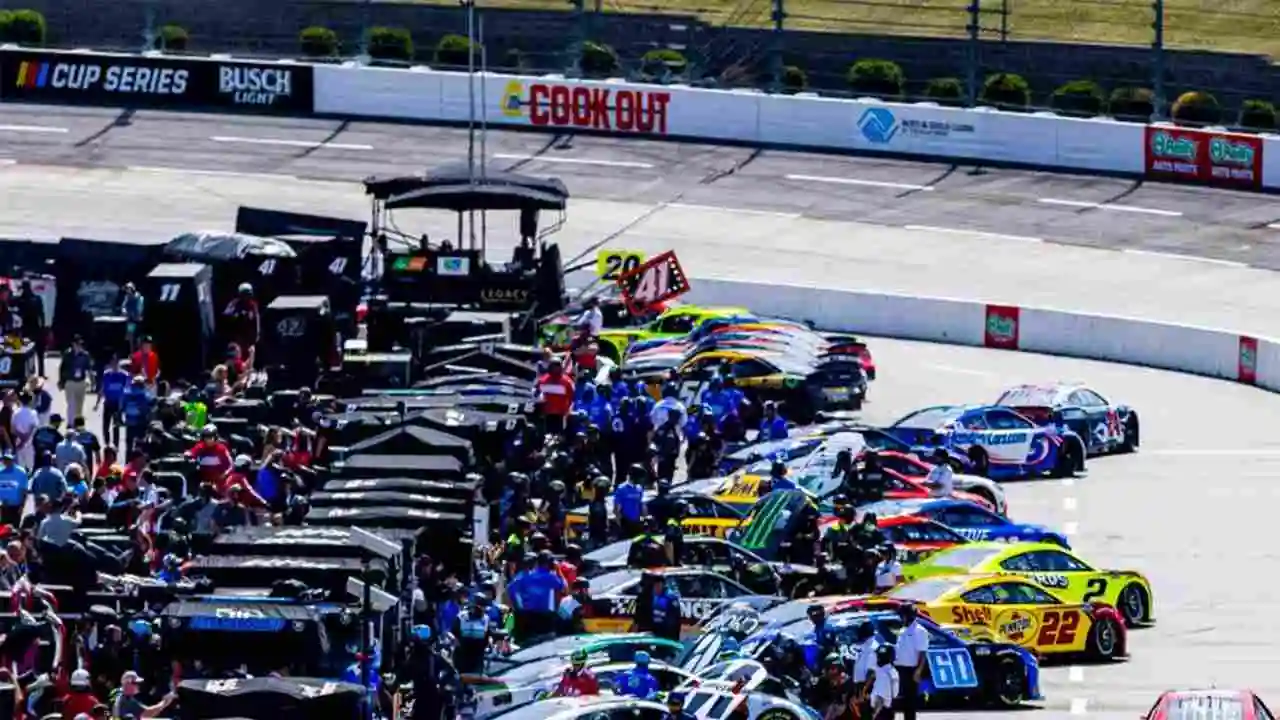
The NASCAR schedule Clash has emerged as one of the most contentious issues in the racing industry this season, sparking controversy among drivers, teams, commentators, and fans alike. As NASCAR expands its presence with additional venues, foreign aspirations, and crossover events, conflicts on the racing calendar become more difficult to manage. What was once a minor nuisance has evolved into a chronic problem with significant competitive, commercial, and fan-engagement implications.
This latest NASCAR scheduling conflict has once again shown the growing pains of a sport attempting to balance history and innovation while competing with an increasingly crowded global sporting calendar.
NASCAR Schedule Clash
A NASCAR schedule clash happens when a NASCAR race coincides with another significant athletic event, racing series, or even another NASCAR-sanctioned event. These confrontations may include Formula One races, IndyCar events, big stick-and-ball sports playoffs, or premier motorsports weekends such as endurance racing classics.
In recent seasons, NASCAR’s tight schedule has made such confrontations more common. With additional street events, overseas exhibitions, and longer playoff windows, NASCAR now competes for attention not just with rival racing series, but also with its own fanbase’s restricted time.
Current NASCAR Schedule Clash Matters
The current NASCAR schedule clash has received a lot of attention due to its timing and scope. The overlap impacts numerous stakeholder groups simultaneously:
- Drivers compete in several series.
- Teams manage logistics and staff availability.
- Broadcasters are confronting fractured audience.
- Fans have to pick between events.
For a sport founded on loyalty and history, requiring fans to choose one race over another can reduce engagement and long-term interest.
Impact on Drivers and Teams
One of the most significant effects of a NASCAR schedule clash is the impact on drivers who participate in numerous racing disciplines. Several high-profile drivers frequently combine NASCAR commitments with other motorsports, such as endurance racing and open-wheel championships.
When NASCAR schedules collide, drivers may be forced to skip races, arrive late, or rely on substitute drivers. This interrupts championship point wars and erodes competitive integrity.
Teams, however, have operational obstacles. Crew members, engineers, and pit workers frequently exchange resources. A scheduling conflict can strain people thin, increasing costs and tiredness while increasing the possibility of blunders on race day.
Broadcast and Commercial Consequences
A NASCAR schedule clash is not ideal in terms of media coverage. Broadcasters rely on peak viewing to justify rights payments and attract sponsors. When races coincide with other significant events, television viewership frequently fall.
Advertisers are also harmed. A reduced viewership means less visibility for advertisers that invest millions of dollars in NASCAR relationships. Over time, frequent NASCAR schedule clash may have an influence on the sport’s total financial worth, especially when competition for sports media attention heats up.
Fan Frustration and Divided Attention
Fans are among the most outspoken detractors of any NASCAR scheduling disagreement. Many racing enthusiasts follow various series, and overlapping race schedules make decisions tough. Following numerous confrontations, supporters have expressed broad discontent, pushing for greater cooperation and timing.
In an era where fan engagement is vital to development, recurring NASCAR scheduling clashes risk alienating committed fans, particularly younger viewers who already have an abundance of entertainment options competing for their attention.
NASCAR’s development is a major reason why NASCAR schedule clashes have become increasingly regular. The company has actively targeted expansion through:
- Street races in major cities.
- International exposition events.
- Expanded playoff formats
- midweek and holiday races
While these initiatives have provided new energy and audiences, they have also reduced the calendar. Conflicts have become nearly unavoidable due to limited weekend availability and weather constraints.
Comparison With Other Motorsports Calendars
Other racing series confront similar issues, but NASCAR’s domestic-heavy calendar highlights tensions for US fans. Formula One, for example, follows a worldwide calendar with fewer total races, giving for greater flexibility in avoiding significant clashes.
IndyCar and endurance racing series have also experienced schedule conflicts, but NASCAR’s greater fan base amplifies the effect of each collision. As motorsports continues to globalize, cooperation among sanctioning organizations may become more crucial than ever.
NASCAR’s Official Response
NASCAR executives have admitted worries over the NASCAR schedule clash, stating that total avoidance is becoming increasingly impossible. NASCAR leadership believes that venue availability, broadcast agreements, and regional weather patterns limit schedule flexibility.
However, administrators have stated that fan input is being constantly watched. There is rising suspicion that future calendars would favor minimal overlap, particularly for prominent events that have historically drawn huge crowds.
Possible Solutions to Prevent Future Clashes
To decrease the incidence of NASCAR scheduling conflicts, many alternatives have been proposed:
- improved collaboration with other important racing series.
- Flexible start timings to avoid direct overlap.
- Improved fan communication prior of scheduled releases.
- Strategic placement of non-point events
While no solution is perfect, even little changes may greatly improve the viewing experience and safeguard NASCAR’s competitive ecology.
What This Means for NASCAR’s Future
The ongoing NASCAR scheduling dispute argument represents a sport at a crossroads. NASCAR’s drive to expand and modernize is admirable, but long-term expansion requires thoughtful planning and fan-first decision-making.
If addressed proactively, scheduling problems might become a manageable task rather than a reoccurring issue. If ignored, frequent NASCAR scheduling conflicts have the potential to erode goodwill among fans, partners, and competitors.
Conclusion
The NASCAR scheduling clash is more than simply a calendar issue; it is a test of the sport’s ability to adapt to a fast changing sporting scene. As NASCAR strives to strike a balance between expansion and tradition, scheduling choices will play an important part in molding its future.
For the time being, the discussion continues, with fans, drivers, and teams hopeful that the next seasons would offer wiser solutions and less disputes. One thing is certain: how NASCAR manages its calendar will have far-reaching consequences beyond a single race weekend.
FAQs
What is a NASCAR schedule clash?
A NASCAR schedule clash occurs when a NASCAR race coincides with another significant athletic or motorsports event, diverting attention and resources.
Why are NASCAR schedule clashes increasing?
They are growing because to NASCAR’s extended calendar, additional locations, overseas events, and limited race weekends.
How does a NASCAR schedule clash affect drivers?
Drivers that compete in numerous series may skip races, arrive late, or lose championship points owing to overlapping obligations.
Do schedule clashes impact TV ratings?
Yes, NASCAR scheduling clashes frequently result in diminished viewership and advertising value for broadcasters and sponsors.
Can NASCAR avoid schedule clashes completely?
Avoiding them entirely is challenging, but improved coordination and flexible scheduling might considerably reduce their occurrence.
ALSO READ: Saudi Pro League Standings: Latest Updates, Leaders, and Key Stats